The WHO Pandemic Accord: One Health, indigenous peoples, local communities and developing nations
(These comments were developed in collaboration with IWMC-World Conservation Trust)
Background
Given the repercussions of the COVID-19 pandemic, the World Health Organization’s 194 Member States initiated a process aimed at crafting a new convention, agreement, or similar international mechanism (hereinafter referred to as an “accord”) pertaining to pandemic preparedness and response. This endeavor stemmed from the imperative to enhance the readiness and protection of communities, governments, and all societal sectors—both domestically and globally—against future pandemics. Governments underscored the imperative for sustained action to avert the recurrence of such crises, citing significant loss of life, societal upheaval, and developmental setbacks as compelling factors. At the core of the proposed accord lies the principle of ensuring equitable access to essential pandemic prevention tools, such as vaccines, personal protective gear, information, and expertise, alongside universal access to healthcare services for all individuals.
In December 2021, therefore, during a special session of the World Health Assembly—the highest decision-making body of the WHO, consisting of its 194 sovereign member countries—the Member States of WHO made the decision to create an intergovernmental negotiating body (INB). This body, which represents all regions globally, was tasked with drafting and negotiating a WHO instrument focusing on pandemic prevention, preparedness, and response. The aim is for this instrument to be adopted under Article 19 of the WHO Constitution, which grants the 194 Member States forming the Health Assembly the authority to adopt conventions or agreements on any matter within WHO’s purview, along with other relevant provisions deemed appropriate by the INB. To date, the only instrument established under Article 19 is the WHO Framework Convention on Tobacco Control, which has played a significant role in swiftly safeguarding individuals from the harms of tobacco since its enactment in 2005.
The decision made by the World Health Assembly to establish the INB and its work on this new international accord emphasised that WHO’s Member States, acting in their sovereign capacity, should guide their endeavours based on the principle of solidarity with all people and countries. The accord is expected to outline practical measures addressing both the root causes and effects of pandemics and other health emergencies.
Throughout the INB process, various constituencies have been actively engaged through a range of methods. These include providing written and oral inputs from Member States and relevant stakeholders during successive stages of the work, such as the Substantive Elements, the Working Draft, the Conceptual Zero Draft, and the Zero Draft. Additionally, regional consultations were held during the WHO Regional Committees of 2022 and 2023, as deemed appropriate. Informal, focused consultations on select key issues, including engagement with experts, took place in the latter half of 2022 and in March 2023. Furthermore, public hearings were conducted in two rounds, held in April and September 2022, allowing interested parties and stakeholders to express their perspectives. Regular information briefings have also been provided throughout the process to ensure transparency and dissemination of relevant updates.
On 22 April 2024, the World Health Assembly circulated an updated draft that will be discussed on 29 April. The draft can be accessed here. The decision regarding the agreed-upon pandemic accord will be made during an open plenary session of the World Health Assembly in May 2024.
General comment
The WHO Pandemic Agreement represents a critical step forward in global health governance, addressing the profound challenges and disparities highlighted by recent global health crises, particularly the COVID-19 pandemic. The agreement emphasises the necessity of strengthening pandemic prevention, preparedness, and response across nations. It underscores the obligation of States to support the health and well-being of their populations while acknowledging the vast disparities in capabilities among countries. The document strives to ensure a coordinated, comprehensive, and equitable response to pandemics, promoting the highest attainable standards of health as a fundamental human right. By fostering international cooperation and solidarity, especially with developing and least developed countries, the agreement aims to mitigate the uneven distribution of health resources and capabilities that exacerbate crises during pandemics. Through this framework, the WHO Pandemic Agreement seeks to establish a more resilient global health architecture that can better anticipate and respond to future health emergencies.
Sellheim Environmental highly values the WHO Pandemic Agreement and supports its comprehensive approach and implementation, recognising its pivotal role in fostering global cooperation and ensuring a robust, equitable response to pandemic threats that also considers conservation principles. We applaud the agreement’s emphasis on multisectoral collaboration and its potential to significantly enhance global health security and environmental stewardship concurrently.
Despite the overall laudable approach, the Pandemic Agreement has several drawbacks that should be addressed in a revised draft.
One Health
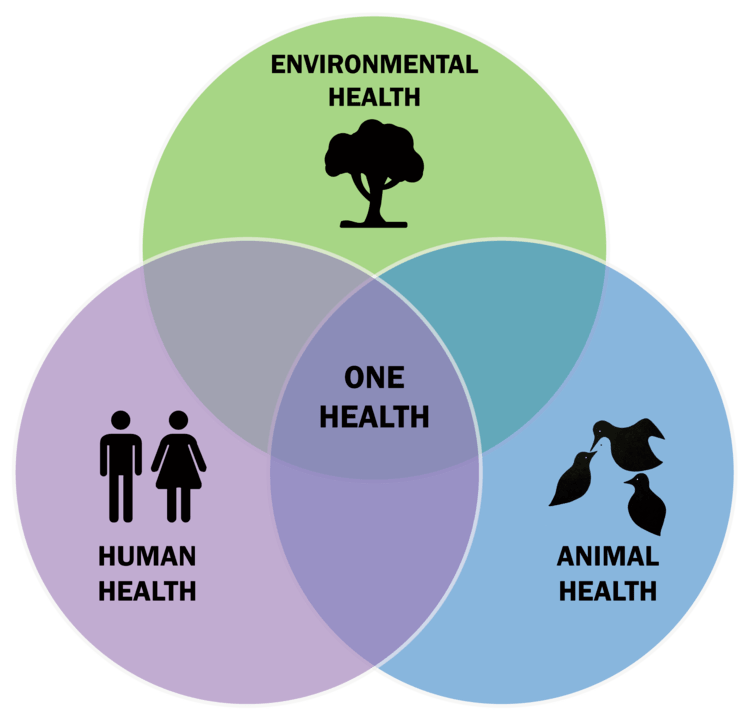
One Health, as stipulated in Article 5, emphasises surveillance and monitoring systems that integrate data from human, animal, and environmental sources. This integrated approach allows for early detection of potential disease threats, such as emerging infectious diseases or zoonotic outbreaks. Rapid response mechanisms can then be activated to contain and control the spread of pathogens before they escalate into full-blown pandemics.
Many infectious diseases that affect humans originate in animals. By studying the interactions between humans, animals, and their shared environments, One Health provides insights into the transmission pathways of zoonotic diseases. Understanding how pathogens spread between species allows for the development of targeted prevention and control strategies, including measures to mitigate risks associated with wildlife trade and consumption.
While the One Health approach offers a promising strategy for preventing pandemics and safeguarding public health, it must be implemented in a manner that balances precautionary measures with respect for human rights and the economic well-being of vulnerable groups, including indigenous peoples and local communities (IPLCs), in developed and developing nations. While prioritising disease prevention is crucial, overly stringent regulations or restrictions on activities such as wildlife trade, land use practices, or traditional livelihoods can disproportionately impact marginalised communities.
For many IPLCs, activities like hunting, fishing, or gathering are not only integral to their cultural identity but also essential for their economic survival. Therefore, applying the One Health approach should not come at the expense of jeopardising the economic foundation of these vulnerable groups. Instead, it should involve meaningful engagement with IPLCs to develop solutions that protect public health while respecting their rights and livelihoods. This may include supporting sustainable resource management practices, providing alternative livelihood opportunities, and ensuring that policies and interventions are culturally sensitive and inclusive. By striking a balance between precautionary measures and socio-economic considerations, the One Health approach can effectively address health challenges without exacerbating inequalities or marginalising vulnerable communities.
Article 5 should be reworded to explicitly incorporate concerns regarding the protection of human rights, including those of IPLCs, to ensure that the implementation of the One Health approach does not inadvertently undermine these rights. The revised article should emphasise the importance of upholding the principles of equity, social justice, and respect for cultural diversity in all pandemic prevention and response efforts.
The revised article should stress the need for inclusive decision-making processes that actively involve IPLCs in the development, implementation, and evaluation of policies and strategies related to pandemic prevention. IPLCs possess valuable traditional knowledge and practices that can contribute to effective disease surveillance, response, and mitigation efforts. By including IPLCs in decision-making processes, their rights and perspectives can be respected, and their contributions acknowledged.
Recognising the socio-economic importance of activities such as wildlife trade, land use practices, and traditional livelihoods to IPLCs, the revised article should emphasise the need to protect these livelihoods while promoting public health objectives. This may involve supporting sustainable resource management practices, providing alternative income-generating opportunities, and ensuring that any regulatory measures are implemented in a manner that minimises negative impacts on IPLCs’ economic well-being.
The revised article should underscore the importance of cultural sensitivity and respect for indigenous knowledge systems in all aspects of pandemic prevention and response. This includes acknowledging IPLCs’ rights to self-determination, cultural autonomy, and control over their lands and resources. Policies and interventions should be tailored to reflect the cultural values, traditions, and aspirations of IPLCs, rather than imposing external frameworks that may not align with their worldview or priorities.
The revised article should advocate for equitable access to healthcare services, education, and other essential resources for IPLCs, who are often marginalised and underserved. This may require targeted interventions to address disparities in healthcare infrastructure, access to clean water, sanitation, and other determinants of health in indigenous and other rural communities. Ensuring equitable access to resources and services is essential for addressing health inequities and promoting social justice.
By integrating these concerns into Article 5, the revised framework would reaffirm the commitment to upholding human rights, including the rights of IPLCs, while pursuing the objectives of pandemic prevention and response through the One Health approach. This holistic approach acknowledges the interconnectedness of human, animal, and environmental health, while also recognising the importance of respecting diversity, promoting social equity, and safeguarding the rights and well-being of all individuals and communities.
Developing and least developed nations
Several notable disadvantages for developing and least developed nations arise, particularly concerning Articles 10 and 11, which focus on technology transfer and capacity-building efforts.
Financial constraints are a significant hurdle for developing and least developed nations. These nations often lack the financial resources required to establish and maintain high-standard production facilities for pandemic-related health products. While the agreement mentions collaboration with international bodies, the actual financial support may not be sufficient to overcome these constraints. Without adequate funding, many developing and least developed nations may struggle to implement the necessary infrastructure and technology transfer programs effectively.
Power imbalances in technology transfer exacerbate the challenges. The reliance on “mutually agreed terms” for technology transfer could perpetuate power imbalances between developed, and developing and least developed countries. Negotiating favourable terms for technology transfer may prove challenging for developing and least developed nations, especially when dealing with multinational corporations and patent holders. This could result in unequal access to essential technologies and know-how, further exacerbating disparities in global health.
Logistical and infrastructural challenges compound the issue. Developing and least developed nations often face logistical and infrastructural challenges that hinder the establishment of production facilities for pandemic-related health products. Issues such as inadequate transportation networks, unreliable electricity supply, and a lack of skilled personnel may impede the effective implementation of capacity-building efforts outlined in the agreement. Without addressing these challenges, developing and least developed nations may struggle to fully utilise the resources provided by the agreement.
Limited regulatory capacity poses another obstacle. Many developing and least developed nations have limited regulatory capacity to ensure the safety, quality, and efficacy of pandemic-related health products produced domestically. Strengthening regulatory frameworks and building regulatory capacity is essential to ensure that locally produced health products meet international standards. However, this requires significant investments in training, infrastructure, and technical expertise, which may be beyond the means of many developing and least developed nation.
There is also a risk of dependency on external support. Developing and least developed nations may become dependent on external support provided through the agreement, rather than developing self-sustaining domestic capacities. While international collaboration is essential, it should be complemented by efforts to build long-term resilience and self-reliance within developing and least developed nations. Failure to do so could perpetuate a cycle of dependency and limit the ability of developing and least developed nations to respond effectively to future pandemics.
The Global Supply Chain and Logistics Network, described in Article 13, aims to improve equitable, timely, and affordable access to pandemic-related health products. This initiative holds particular significance for developing and least developed nations due to several reasons. The network prioritises equitable allocation based on public health risk and need, crucial for developing and least developed nations often struggling to compete with wealthier nations for limited health resources during pandemics. By focusing on need rather than purchasing power, the network aims to ensure developing and least developed nations receive necessary supplies during health crises.
The establishment of a coordinated network involving international and regional stakeholders helps pool resources, knowledge, and logistical capabilities. This collaborative approach significantly benefits developing and least developed nations by integrating their specific needs into global response strategies, ensuring unique challenges are addressed. Promoting accountability and transparency in the network’s functioning and governance allows developing and least developed nations better visibility and input into distribution processes. This openness is crucial for building trust and ensuring distribution mechanisms do not disproportionately favour more developed countries.
The network facilitates rapid and unimpeded access to humanitarian relief, critical for developing and least developed nations lacking infrastructure to respond effectively to pandemics independently. This provision ensures international law supports unhindered movement of necessary supplies and personnel during health crises. Stipulating emergency trade measures during a pandemic be targeted, proportionate, transparent, and temporary helps prevent unnecessary barriers disrupting supply chains crucial for delivering pandemic-related health products to developing and least developed nations. Considering a multilateral system for managing vaccine and therapeutic-related compensation and liability can address financial risks and burdens disproportionately impacting poorer nations during pandemics.
This notwithstanding, while these provisions are designed to create a more inclusive and equitable framework for managing global health crises, IWMC is concerned about the actual implementation, especially regarding the financial and logistical capacities of developing and least developed nations to participate effectively. The dependency on WHO coordination can be both a strength and a limitation—while it provides a centralised and experienced leadership, it also places significant responsibility on an international body that must balance competing national interests and resources.
Indigenous peoples and local communities (IPLCs)
The instrument encourages meaningful engagement of communities in planning, decision-making, and implementation processes. This provision allows IPLCs to have a voice in matters directly affecting their health and well-being, ensuring that their unique perspectives and traditional knowledge are incorporated into national strategies. By promoting community ownership and contribution, the instrument empowers IPLCs to actively participate in building community readiness and resilience against pandemics. This empowerment can lead to more tailored and effective local responses that are culturally appropriate and based on indigenous knowledge.
The instrument calls for measures to mitigate the socioeconomic impacts of pandemics, which can disproportionately affect IPLCs due to their often marginal positions in society. Strengthening public health and social policies to support IPLCs during pandemics can help protect their rights and improve their recovery outcomes. The development and implementation of education programs about pandemic and public health emergencies, with the participation of all stakeholders, ensure that information is accessible to IPLCs. This inclusivity helps raise awareness and understanding among IPLCs about pandemics, enhancing their preparedness and response capabilities.
There is a risk that the engagement of IPLCs might be superficial or tokenistic, without real influence on decision-making or actual outcomes. This could result in policies that are not genuinely reflective of their needs or priorities. Effective participation of IPLCs in pandemic preparedness and response requires adequate resources, including funding, training, and access to information. If these are not adequately provided, IPLCs may not be able to engage meaningfully, which could exacerbate existing inequalities.
There is potential for conflicts or misunderstandings if pandemic responses advised by national or international bodies clash with the cultural practices and values of IPLCs. Ensuring that interventions are culturally sensitive and appropriate is crucial but can be challenging to achieve in practice. The benefits to IPLCs depend heavily on how these policies are implemented at the national and local levels. Variability in implementation can lead to inconsistent benefits across different regions and communities.
While Article 19 sets a framework for international cooperation and resource allocation that could indirectly benefit IPLCs, the lack of explicit inclusion and targeted strategies for these communities could lead to suboptimal outcomes where IPLCs are not effectively supported or involved. This oversight could mean that the vulnerabilities and potentials of IPLCs are not adequately addressed, perpetuating existing disparities in pandemic preparedness and response. To rectify this, future amendments or related policies should specifically include provisions that recognise and directly support the needs and roles of IPLCs within the global health framework.
Reservations
Article 27 corresponds to the principle of pacta sunt servanda and the provisions enshrined in Article 19.c of the Vienna Convention on the Law of Treaties. Despite this overall correspondence to international treaty law, the Pandemic Agreement’s lack of inclusivity of IPLCs necessitates a rewording of this article: Explicitly stating that reservations can be made to better support IPLCs and other vulnerable groups would clarify the intent and scope of such exceptions. This helps ensure that these groups are not only protected but actively considered in pandemic preparedness and response efforts.
By allowing for such reservations, the agreement would recognise the disproportionate impact pandemics can have on marginalised groups. This adjustment would align with global equity principles, ensuring that the needs of all populations are addressed, particularly those who might be overlooked or underserved by broad policies. A rewording could furthermore strike a balance between global cooperation requirements and the need to address local and specific challenges faced by IPLCs. This would ensure that while global efforts are not undermined, local realities and needs are also prioritised, thereby enhancing the effectiveness of pandemic response at multiple levels.
Including explicit provisions for reservations related to IPLCs would provide legal clarity and help prevent potential conflicts or misunderstandings about the extent and nature of such reservations. It would delineate the boundaries within which such reservations can operate, ensuring they contribute positively to the agreement’s goals.
Article 27 could therefore be reworded to allow reservations specifically aimed at enhancing the participation and protection of IPLCs and vulnerable groups, provided these reservations do not undermine the overall effectiveness of the global pandemic response. The rewording should specify conditions under which such reservations are considered compatible with the agreement’s objectives. The rewording could include guidelines on how to implement these reservations effectively, ensuring that they strengthen—not weaken—the global response to pandemics. Incorporating a review mechanism to assess the impact of these reservations could ensure they are working as intended and adjust them if necessary to better align with the agreement’s goals.
This approach would make the WHO Pandemic Agreement more responsive to the realities of different communities and enhance its overall efficacy by ensuring that all parties are adequately supported to meet their obligations. It would demonstrate a commitment to equity and inclusiveness, principles that are essential for the success of any global health initiative.
 sellheimenvironmental.org