IWC69 opens with discussions over visa delays and voting rights
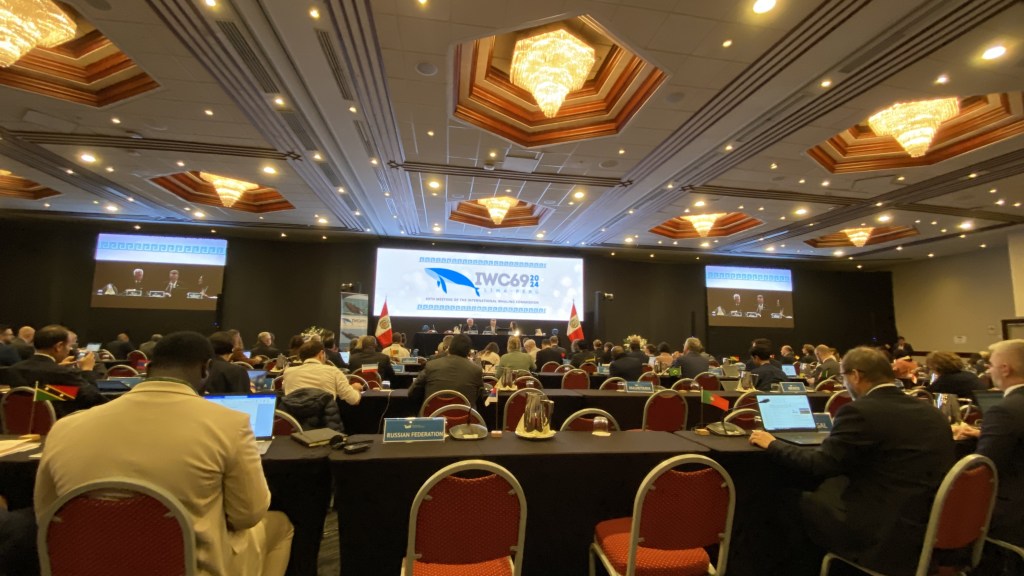
The first session of IWC69 commenced this morning, and what was meant to be a smooth start was overshadowed by frustrations over visa delays and financial arrears, impacting both attendance and voting rights.
Out of the 88 members of the Commission, 65 are registered members at IWC69, while only 47 had the correct credentials and were able to vote. Meanwhile, 34 nations found themselves without voting rights due to financial arrears, raising concerns about equitable participation at this important meeting. Antigua & Barbuda expressed deep dissatisfaction with the visa issues, particularly those affecting African and Caribbean countries.
Antigua & Barbuda wasted no time addressing the problem, questioning whether the absence of key figures from the African continent, including the Chair from Guinea, was a deliberate move to suppress votes. Pointing to poor communication between Peruvian embassies and the nations in question, Antigua & Barbuda called for an urgent emergency meeting with the Vice Chair and the Secretariat before any substantial discussions could take place.
The Vice Chair was quick to explain that the Chair’s delay was also due to visa issues, specifically transit visa complications, while the Executive Secretary acknowledged the importance of the matter. The Executive Secretary reassured delegates that since March, the Secretariat had been working closely with the Peruvian government to facilitate visas for African delegates. However, transit visas, varying from country to country, remained outside the Secretariat’s control.
Togo and other nations such as Morocco and Benin echoed Antigua & Barbuda’s concerns, with Benin emphasising the financial burden of travelling to distant embassies to obtain visas. Benin’s delegate detailed the significant costs involved, having had to fly to Rabat, Morocco, to secure their visa before returning to Benin—a process that strained both time and resources.
The issue of voting rights loomed large over the session, with Guinea pointing out that despite payments being on their way, the delay in processing meant they were still unable to vote. Antigua & Barbuda seized this moment to highlight post-COVID financial struggles many countries face, reiterating the need for transparency and calling on the Secretariat to name those nations without voting rights.
In response, the Chair proposed forming an informal group composed of the Secretariat, the Peruvian government, the Credentials Committee, and Antigua & Barbuda to address the ongoing issues around visas and credentials.
Peru expressed its regret over the situation, stating that all efforts had been made to assist delegates with the visa process and hoping for the understanding of the African delegations. This was met with appreciation from Antigua & Barbuda, who thanked both the Secretariat and Peru, noting that the explanations were satisfactory enough to move forward with the meeting.
In a final bid to resolve some of the lingering tension, the Chair ruled that any country able to show evidence that their financial contribution was en route would have their voting rights reinstated immediately, a move aimed at ensuring all voices could be heard in the decisions to come.
As IWC69 progresses, it is clear that ensuring fair representation and participation remains a significant challenge, particularly for developing nations. However, with these issues now addressed, the Commission can begin its work, hopeful that future sessions will avoid such procedural hurdles.
 sellheimenvironmental.org