A proposal to closely cooperate with Antarctic governance body receives broad support
Hungary, on behalf of the European Union member states, tabled a resolution that seeks to deepen cooperation between the IWC and the Commission for the Conservation of Antarctic Marine Living Resources (CCAMLR) in Antarctica. This resolution addresses the increasing importance of collaboration between the two organisations to conserve and protect the fragile ecosystems of the Southern Ocean, particularly with regards to whale populations and their prey, such as Antarctic krill.
A proposal to strengthening cooperation
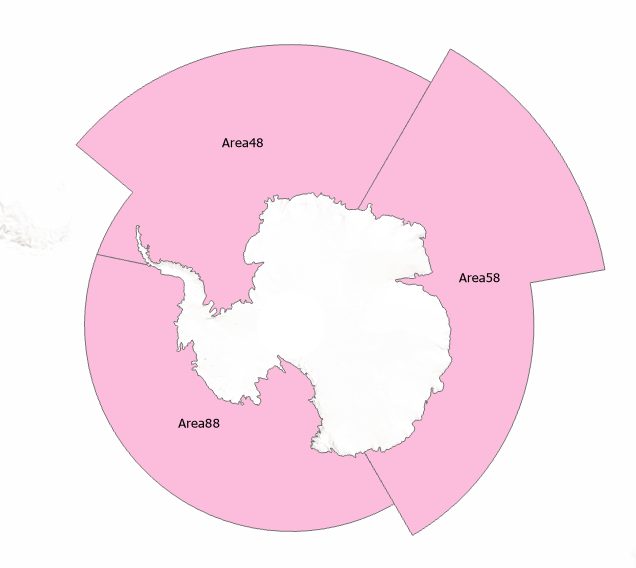
The Southern Ocean, the largest feeding area for Southern Hemisphere whales, plays a critical role in global biodiversity and marine ecosystems. Hungary, as the lead proponent, emphasised the unique ecological sensitivity of this region, where environmental changes, especially due to climate change, have profound effects on marine life. Cetaceans are particularly vulnerable, and their feeding areas often overlap with krill fisheries, increasing the risk of bycatch and food shortages for whales.
To address these challenges, the resolution calls for formalising cooperation between the IWC and CCAMLR through a memorandum of understanding (MoU). This formal agreement would facilitate data sharing, encourage scientific cooperation, and provide opportunities for joint monitoring and research efforts. The goal is to improve understanding of cetacean abundance and distribution, mitigate bycatch in krill fisheries, and tackle the broader impacts of climate change on whale populations in the Southern Ocean.
The resolution also encourages Antarctic krill-fishing nations to take stronger measures to eliminate bycatch and asks tourist operators to follow guidelines to minimise disturbances to whales. The importance of marine protected areas (MPAs) is underscored, particularly in regions like East Antarctica, the Weddell Sea, and the Western Antarctic Peninsula, where increasing human activity could threaten whale habitats.
Strong support for closer cooperation
The resolution was broadly welcomed by several countries, including Australia, the United States, and the United Kingdom, all of which are active members of both the IWC and CCAMLR. The United States noted that cooperation between the two organisations is timely, given the overlapping interests in the Southern Ocean, particularly in the management of krill fisheries and the protection of cetaceans from bycatch. The US delegation emphasised that this resolution could further strengthen the way the IWC and CCAMLR work together, especially in light of recent bycatch incidents in the Antarctic krill fishery.
Australia expressed its full support for the resolution, recognising the critical role both organisations play in conserving whales and Southern Ocean ecosystems. Australia highlighted its own active participation in both the IWC and CCAMLR and called for continued and enhanced collaboration between the two bodies to ensure the long-term health of marine ecosystems.
The United Kingdom echoed these sentiments, noting that some cetacean populations in the Southern Ocean are at a crossroads due to bycatch, entanglements, and dwindling food resources. The UK strongly supported the exchange of research and endorsed the proposed resolution as an important step in addressing these issues. New Zealand, too, voiced its backing, particularly on the need to address krill fishery bycatch and the effects of climate change on cetaceans.
Other countries, including Korea, Brazil, Argentina, Chile, India, and South Africa, also lent their support to the resolution, with many expressing their desire to join the drafting group to help finalise the text. Korea, an active member of both the IWC and CCAMLR, saw the value in further cooperation between the two organisations, while Brazil indicated it had additional suggestions to improve the draft. Argentina and Chile, whose territories extend into the Southern Ocean, underscored the importance of safeguarding this critical ecosystem.
India, which is a signatory to both the IWC and CCAMLR, expressed strong support for the resolution, stating that it aligned with India’s policies of international cooperation on marine conservation. South Africa, another key player in Antarctic matters, welcomed the proposal, noting that through its participation in CCAMLR, it had already been involved in addressing matters related to whale stocks and their prey.
NGO contributions
Environmental groups, including the WWF and several other organisations, voiced strong support for the resolution. They stressed the importance of the IWC’s role in helping to shape marine protected areas (MPAs) in the Southern Ocean and called for specific measures to reduce bycatch risks. WWF suggested spreading out the spatial concentration of krill fishing vessels to reduce overlap with foraging whales and implementing restrictions on setting krill fishing nets during mass whale foraging events.
These NGOs praised the resolution but urged the IWC to take even bolder steps by incorporating these suggestions into the final text to enhance the protection of critical whale habitats and improve precautionary fisheries management.
What’s next?
Although the resolution received broad support, several countries and NGOs offered drafting suggestions, and further work will be needed to finalise the text. However, there was no notable opposition, and the resolution is expected to pass with these adjustments. The proposal represents a significant opportunity for the IWC to solidify its relationship with CCAMLR, enabling more effective conservation of whales and the broader Southern Ocean ecosystem. This formalised cooperation could be a key step in ensuring that the unique and vulnerable Antarctic marine environment is protected for future generations.
The decision on the revised resolution will be made within the next two days.
 sellheimenvironmental.org