Nyama – An impressive short movie about the conflict between livelihoods, conservation and tourism 

Introduction On 28 January I had the honour of being invited to an online screening of the short movie Nyama. The event was organised by Survival International and was followed by a Q&A session with the directors and the actors. Nyama is somewhat of a teaser of a larger film project called Small Gods, both …

New peer-reviewed article published open access

Mine and Otava Ojanperä's peer-reviewed article "Indigenous youth and international conservation law: Five case studies" has been published open access in Review of European, Comparative & International Environmental Law (RECIEL). Please click here to read the whole piece or click here to read a summary.

Our new study shows lack of recognition of indigenous youth in international conservation law

Introduction In a forthcoming peer-reviewed study in the Review of European, Comparative & International Environmental Law (RECIEL) entitled “Indigenous youth and international conservation law: Five case studies”, myself and Otava Ojanperä (University of Helsinki) examine five agreements and in how far they consider indigenous youth as legitimate stakeholders. The study was carried out under the …

Contextualising the Glasgow Leaders’ Declaration on Forests and Land Use

Introduction On 2 November 2021 the 26th Conference of the Parties (COP) to the UN Framework Convention on Climate Change (UNFCCC) adopted the Glasgow Leaders' Declaration on Forests and Land Use (here). 105 parties to the convention supported the declaration, which puts a strong focus on the conservation of forests and the rights of indigenous …

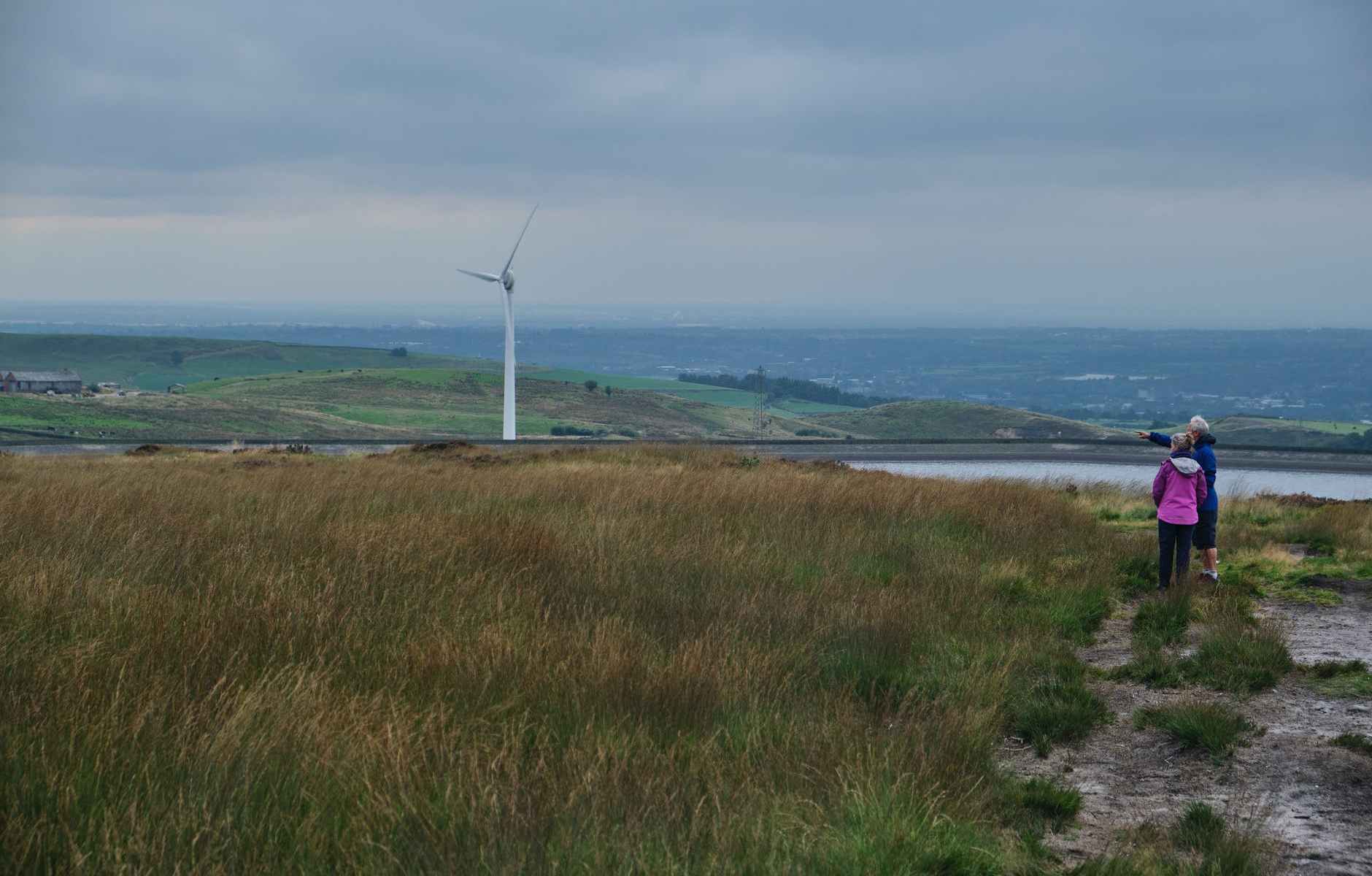
The conflict between a ‘green economy’ and indigenous livelihoods: a Norwegian case.

Introduction 11 October 2021 marked an important day for the indigenous Sámi in Norway: the Norwegian Supreme Court ruled that traditional reindeer grazing grounds on the Fosen Peninsula in Central Norway cannot be used as a site for wind turbines, operated by Fosen Vind. This means that two large wind farms, Roan and Storheia, may …

Pledge versus practice: India’s expanding coal industry, biodiversity and indigenous communities

Introduction In early October 2021 India's minister for power, new and renewable energy, R.K. Singh, informed the public that the current demand for power in his country has exceeded the usual post-monsoon demand from earlier years (here). Several new outlets have picked up on this problem since this would lead to potential power outages in …

On the feasibility of an automated mechanism to list species on the CITES Appendices

Introduction In February 2019 Frank & Wilcove published a short paper in Science in which they argued that due to long delays in the processes of listing species on Appendix I and II of the Convention on International Trade in Endangered Species of Wild Fauna and Flora (CITES) effective conservation cannot be guaranteed (here). They …

The ’30 x 30′ target, indigenous peoples and local communities

Introduction (If you are familiar with the 30 x 30 target, you can skip the Introduction) The Convention on Biological Diversity (CBD) is probably the most important international conservation regime in the world. It currently holds a membership of 196 states with only the Holy Sea and the United States not having signed nor ratified …

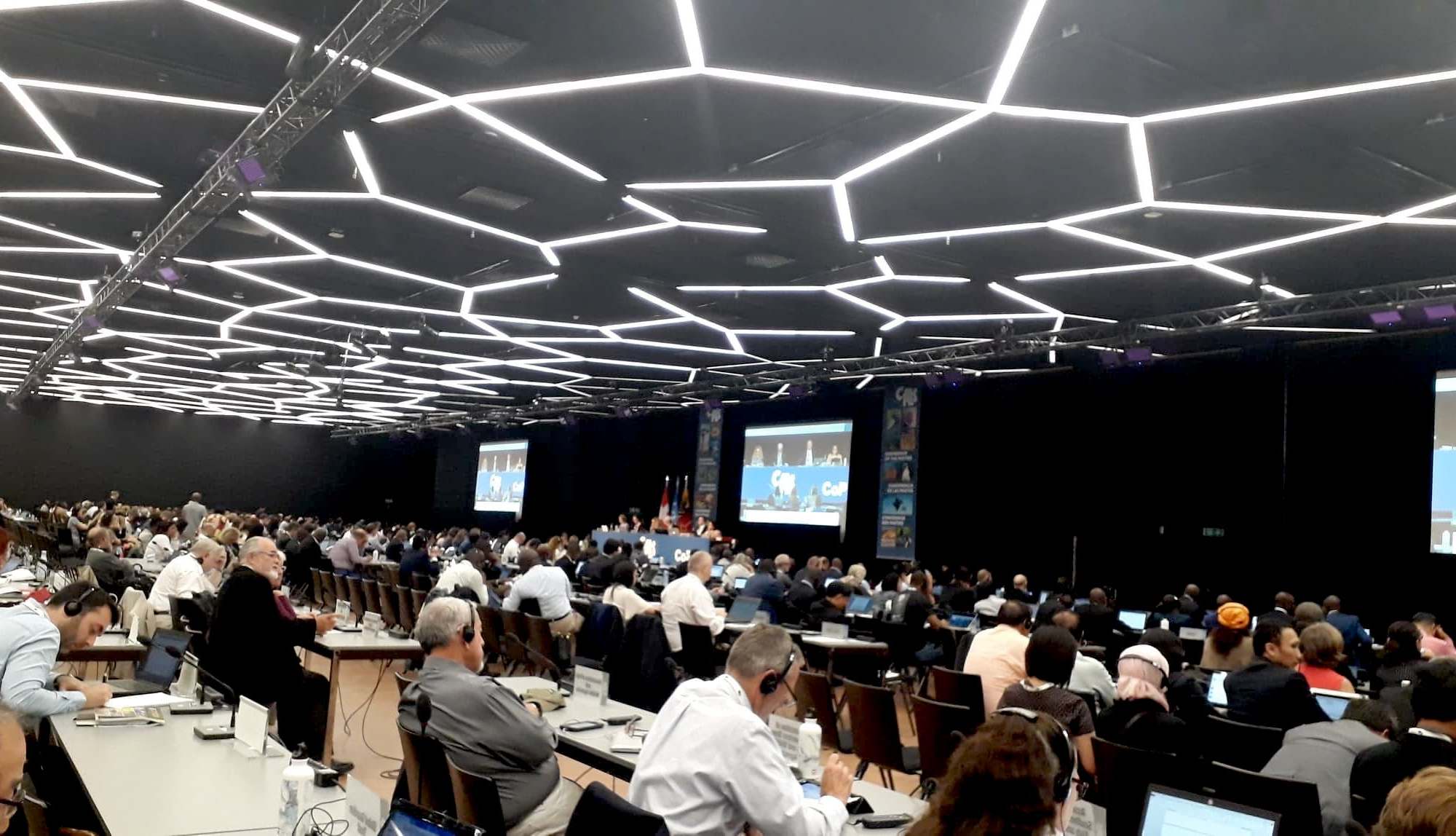
CITES – While there is movement, there is inertia in including indigenous youth

When the Convention on International Trade in Endangered Species of Wild Fauna and Flora (CITES) was adopted in March 1973, the discourse on including indigenous peoples into the decision-making processes was just emerging. Now, almost 50 years later, CITES has become a fierce battleground of competing interests, similar, yet not quite as bad, as in …