Shark Management, NGOs and Environmental Policy-making

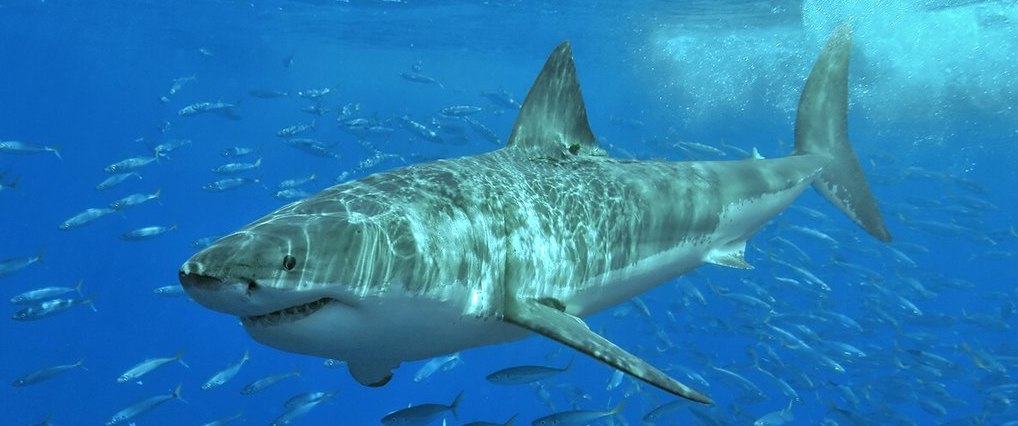
Introduction In recent study on representatives of non-governmental organisations (NGOs) engaged in shark issues, Shiffman and others found out that it is especially small NGOs whose representatives do not engage with the scientific literature on shark management favour a ban on all shark fisheries. They consider this fishery inherently unsustainable. Even though the science in …

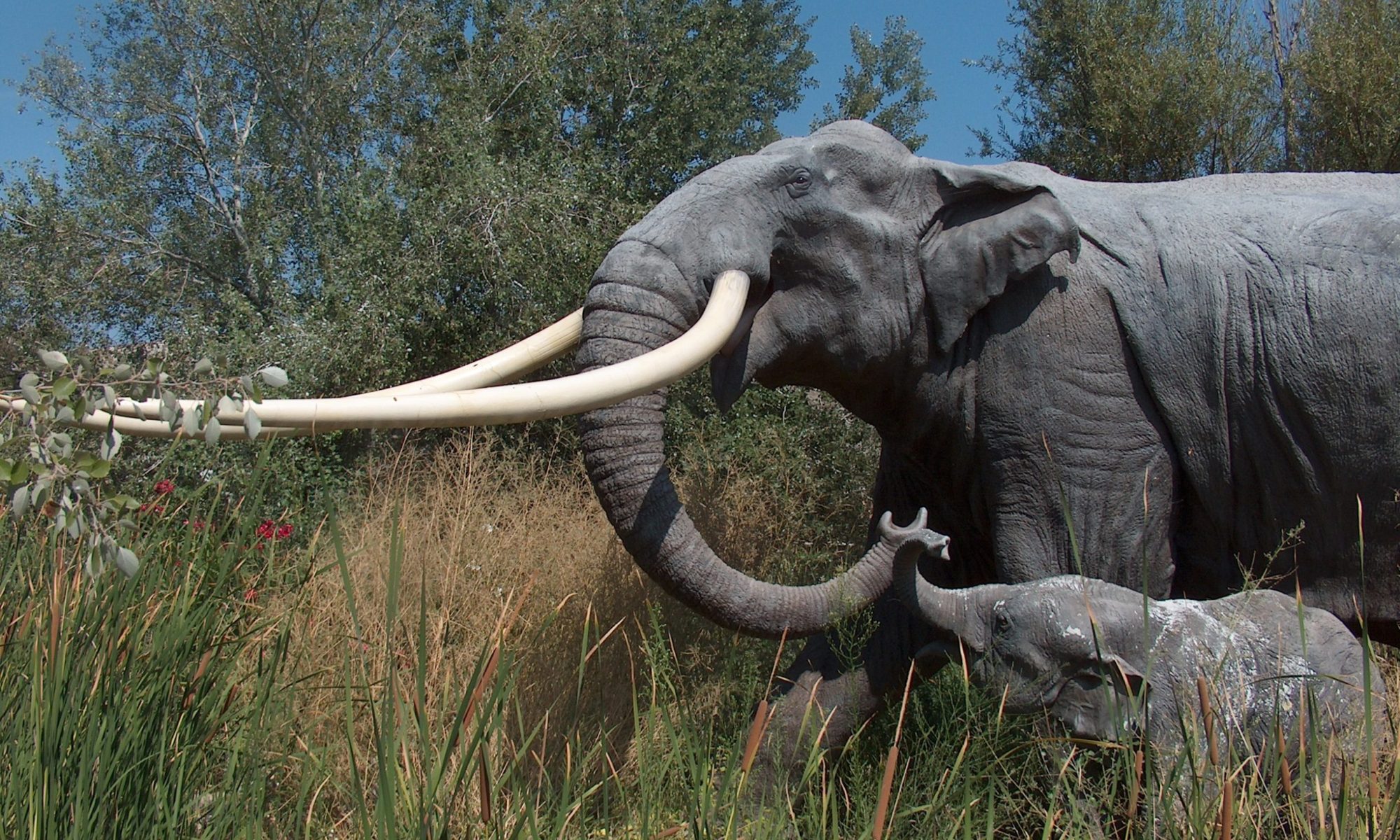
Die Wiederbesiedelung Europas – auf Megafauna Art und Weise

Einleitung Am 3. August 2021 veröffentliche das Fachblatt rrounal of Environmental Law den Artikel “Megafauna Rewilding: Addressing Amnesia and Myopia in Biodiversity Law and Policy” von Prof. Arie Trouwborst (hier). In diesem Artikel geht Trouwborst der Frage nach, in wie weit und ob das Völkerrecht und internationale Politiken es erlauben, Gegenden, in denen Megafauna (Großtierarten) …

CITES – While there is movement, there is inertia in including indigenous youth

When the Convention on International Trade in Endangered Species of Wild Fauna and Flora (CITES) was adopted in March 1973, the discourse on including indigenous peoples into the decision-making processes was just emerging. Now, almost 50 years later, CITES has become a fierce battleground of competing interests, similar, yet not quite as bad, as in …

CITES and the Polar Bear

Introduction The parties to the Convention on International Trade in Endangered Species of Wild Fauna and Flora (CITES) are currently meeting in Geneva, Switzerland, for the 18th Conference of the Parties (CoP). The CoP discusses far-reaching issues that aim to curb the illegal trade in endangered wildlife and to limit trade in species that are …

Where conservation efforts and conservation collide? The tension between tackling immediate and long-term threats

In a recent opinion piece in Trends in Ecology & Evolution, entitled Integrating Proximal and Horizon Threats to Biodiversity for Conservation (Bonebrake et al., 2019), the authors propose a rather new way of addressing conservation efforts. Their main argument rests in the assertion that there is no such thing as a 'major' threat to biodiversity, …

Death penalty for poachers in Kenya?

Recently, news broke (again) that Kenya was to introduce the death penalty for poachers (the same story ran already in May 2018). According to the Wildlife Conservation and Management Act (WCMA), poaching means the "illegal hunting, illegal capturing and illegal harvesting of any wildlife." Kenya lists the African elephant (Loxodonta africana), the White rhino (Ceratotherium simum) …